Soft washing is a material and condition decision
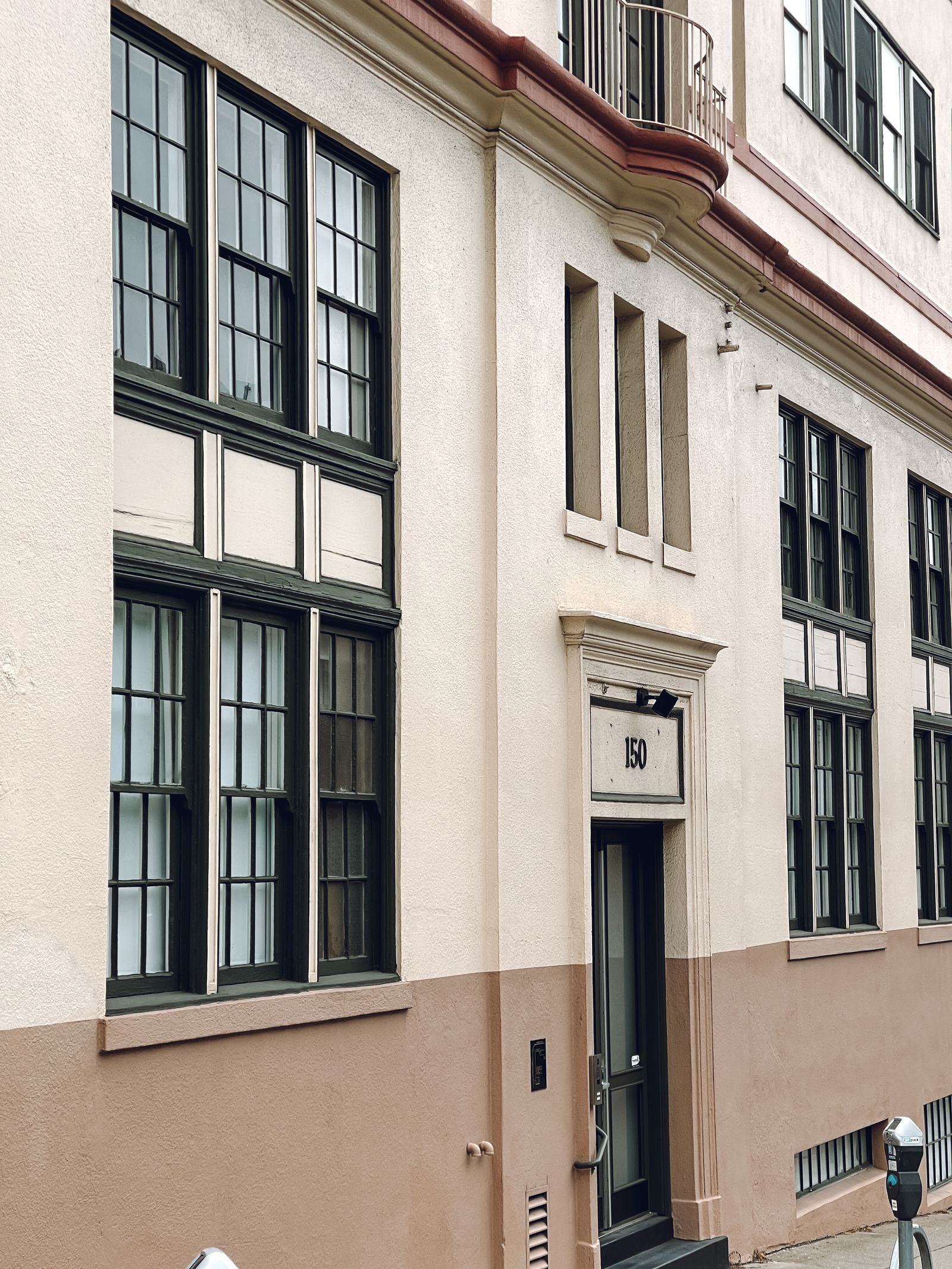
Soft washing generally relies more on compatible chemistry, dwell time, and controlled rinsing than on impact force. It may fit tested stucco, EIFS, painted concrete, masonry, and other surfaces affected by algae, mildew, pollen, bird residue, or atmospheric soil. Lower pressure can reduce some mechanical stress, but it does not remove risk from chemical strength, temperature, dwell time, wind, overspray, landscaping, or water entering failed joints. A test area is useful when a Tallahassee property has varied coatings, repeated repairs, shaded walls, or a public-facing finish standard.
A commercial facade may include broad wall fields alongside glass, frames, balconies, canopies, signs, brick, metal, and stone. A method that fits a stucco wall may be wrong for a storefront frame or a porous architectural feature. Start with the substrate and visible condition, then define the desired result: routine maintenance, organic-growth treatment, a pre-event appearance reset, or specialty restoration. The proposal should say what should improve, what may remain, and which conditions need repair or another specialty service.
Pressure washing has a narrower role than many bids suggest
Pressure washing can be useful on selected durable concrete approaches, loading areas, service yards, parking structures, and other hardscape where force, distance, flow, drainage, and surrounding activity have been reviewed. It is not a universal method for an entire building. Excessive force can damage stucco, strip paint, etch softer stone, disturb mortar, break trim, open a joint, or drive water behind a coating. A stronger machine does not automatically produce a better facade result.
Tallahassee lower walls may carry irrigation residue, pollen, vehicle film, and landscaping soil while upper elevations show mildew, rain marks, or shaded biological growth. Campus buildings, hotels, healthcare sites, and government offices can also have students, guests, patients, buses, and public paths close to the work. Ask where pressure is proposed, why that substrate can tolerate it, what protections are needed, and how the dry finish will be checked. A mixed-method scope is often more accurate than applying one machine setting to every zone.
Humidity, pollen, and storms change the work plan
North Florida heat and humidity can change how a solution behaves, how quickly a surface dries, and how comfortable an occupied work zone remains. Sun-warmed concrete and metal may dry differently from shaded stucco beneath trees or roof lines. Pollen can settle again on ledges and canopies soon after cleaning, while damp north-facing walls may resoil differently from a bright south-facing elevation. The best method is connected to exposure, timing, and the appearance standard rather than a blanket promise about how long the result will last.
Tallahassee thunderstorms, lightning, gusts, heavy rain, and fast-changing runoff can affect both methods. Wet sidewalks can become a public hazard, wind can move spray or pollen, and a storm can carry rinse water outside the planned route. The scope should state wind, lightning, rain, visibility, surface, and pedestrian limits, plus the procedure for securing equipment and rescheduling. A phased schedule around class changes, legislative activity, guest arrivals, patient traffic, or deliveries can protect operations while allowing a dry inspection before handback.
Compare aerial assistance with ground access realistically
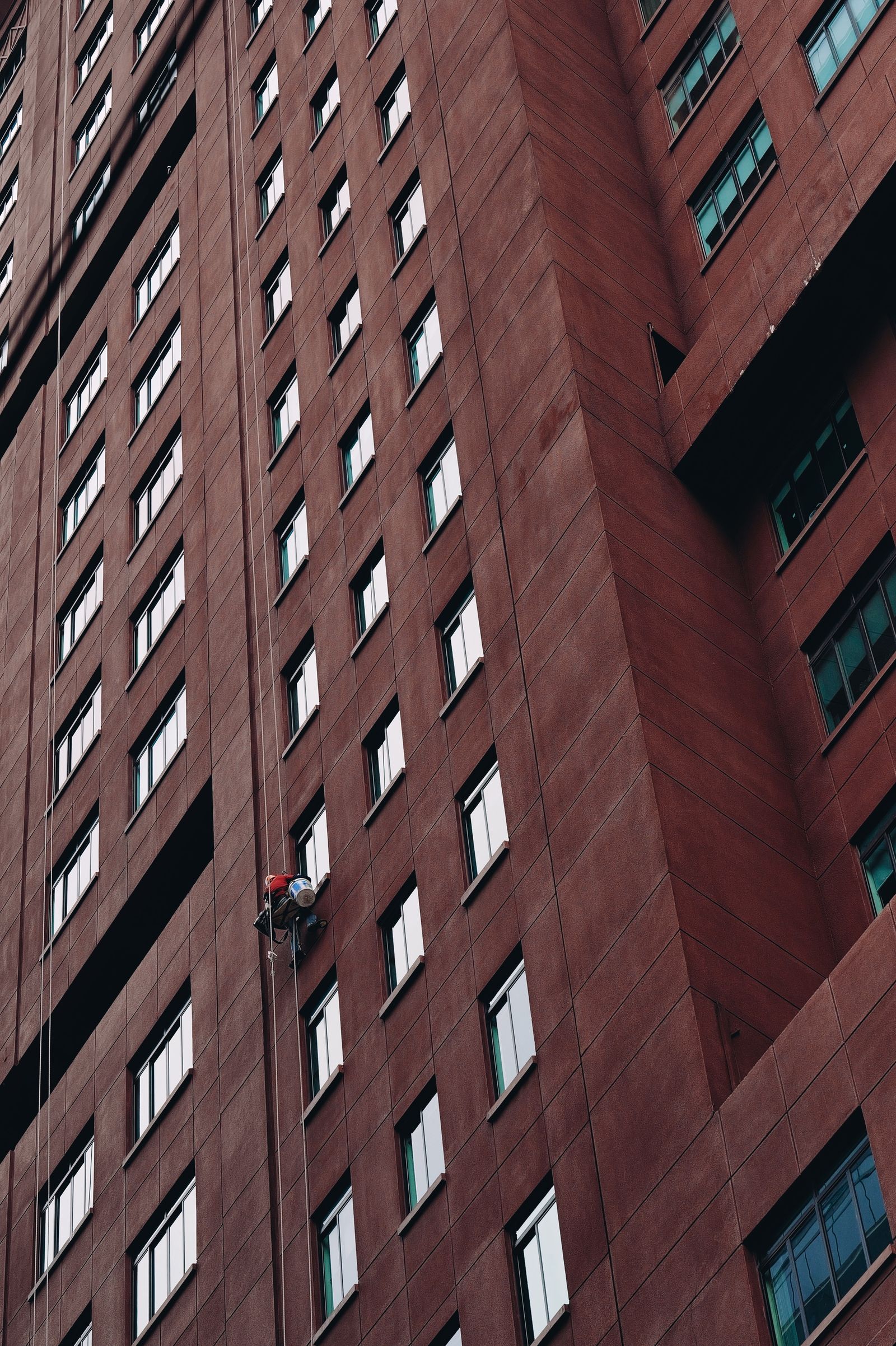
Drone-assisted application or rinsing may support broad upper wall zones when airspace, wind, stand-off distance, line of sight, launch space, water access, and ground controls are workable. It may reduce some lift staging, but it cannot replace all contact detail. Frames, ledges, canopies, mineral deposits, bonded residue, fragile trim, and areas needing brushing or polishing may still require a pole, lift, roof access, or hand work. Compare the proposed finish by elevation, not just the equipment name.
Tallahassee Regional Airport, heliport activity, university gatherings, emergency operations, wires, mature trees, and narrow public routes may affect aerial feasibility. Commercial drone work must follow applicable FAA requirements and any authorization needed for the location and time. A credible comparison includes spotters, public separation, communications, emergency stop procedures, water controls, weather limits, and an alternate access method. A hybrid plan can use aerial support for compatible upper walls, lower-pressure contact work at entrances, and a specialty process for residue that ordinary washing cannot remove.
Water management belongs in the method comparison
Both methods move water and removed soil, so compare water volume, products, slope, storm drains, retention areas, planting beds, doors, air intakes, public paths, vehicles, and neighboring properties. A curb inlet is not automatic permission to discharge wash water. Depending on the soil, chemistry, rinse volume, and site rules, the plan may need diversion, collection, recovery, reduced rinse volume, filtration, plant protection, or coordination with the responsible authority.
A good bid states its water-management assumptions and the stop condition if observed flow changes. Tallahassee's storms can alter a planned runoff route after equipment is staged, and irrigation can make one side of a building much wetter than another. The closeout should identify cleaned elevations, remaining deposits, deferred repairs, controls used, and weather-related changes. That record helps a facilities team choose whether the next visit should use the same method, a different method, or specialty restoration.
Use the quote to compare outcomes, not equipment labels
Ask each bidder to identify materials, visible conditions, proposed method by zone, access equipment, water assumptions, weather limits, occupied-site controls, expected finish, exclusions, and closeout documents. Compare broad facade washing separately from glass detailing, hard-water removal, oxidation treatment, canopy work, construction residue, coating work, and repairs. If drone assistance is proposed, ask where it is feasible, which operating conditions are required, and what alternate method applies if wind, airspace, public activity, or finish requirements change.
Send the Tallahassee address, photographs, approximate height, materials, priority elevations, desired finish, preferred work windows, campus or event calendar, patient or guest restrictions, security requirements, landscaping and drainage concerns, water access, and known repairs. Drone Building Cleaners can help determine whether soft washing, pressure washing, contact work, aerial assistance, a lift, or a hybrid scope fits the building. Call +1 239-351-2897, email contact@dronebuildingcleaners.com, or request a quote to get in touch.